What Insurance Policy Do You Need for a Small Business?
7 min read
•
10 Mar 2026


You invest significant time and money in your small business, so it's smart to also invest in insurance policies that protect your livelihood.
When you first open up shop, it can be challenging to confirm the right coverage for your company's needs. This guide provides an in-depth look at the 8 most important types of insurance for small business owners.
{{text-box}}
8 Types of Insurance Your Small Business Might Need
Your company's insurance coverage should consist of these common categories.
1. General Liability Insurance
This basic policy provides coverage if someone has a property or personal injury claim against your business. General liability insurance pays for medical bills and damage to personal property if an accident occurs at your business location. You can also use this policy to pay for legal defense if someone sues your company.
You can add product liability insurance to a general liability policy. This rider covers personal injury or property damage caused by a product your small business sells or makes.
2. Business Income Insurance
You can purchase coverage to replace your business income in case of a natural disaster, theft, or another unexpected event that interrupts operations. Business income insurance, also known as business interruption insurance, may also pay for you to move to a temporary space if you have to vacate for a while.
3. Commercial Property Insurance
If you operate from a business location, you'll need commercial property coverage for the building and its contents. Most commercial property insurance policies cover the structure as well as computer equipment, machines, materials, inventory, and furniture.
You can choose from three common commercial property policies:
- Basic coverage, which takes effect in natural disasters such as fires and severe weather
- Broad coverage, which covers everything in the basic plan plus additional catastrophes like riot and structural collapse
- Special coverage, which encompasses both basic and broad coverage plus any other physical losses that affect your commercial property
If you run your company from your home, you can investigate a rider for your homeowner's or renter's insurance. This extra coverage pays for loss of business items, which won't fall under your standard property owner or renter policy.
4. Commercial Auto Insurance
You need commercial auto insurance if you own one or more company vehicles. You also have to carry this type of policy on your personal car or truck if you use it for business purposes.
Like personal auto coverage, commercial auto policies pay for the cost of accidents involving company cars. While the coverage included in commercial auto insurance varies by state, common policies include:
- Property damage liability, which pays for third-party damages caused by a driver in your company vehicle
- Bodily injury liability, which pays for medical bills resulting from an accident caused by a driver in your company vehicle
- Personal injury protection or medical coverage, which covers the medical expenses of employees involved in an accident in your company vehicle regardless of fault
- Uninsured motorist coverage, which pays property damage and medical expenses for you and/or your employees in an accident caused by an uninsured driver
5. Professional Liability Insurance
Also called errors and omissions insurance, professional liability coverage protects your business if you give others recommendation or advice. For example, you might buy this type of policy as an attorney or consultant. It pays the legal costs and possible judgment if someone sues because your services cost them money.
6. Workers' Compensation Insurance
If your company has employees, you'll need to buy workers' compensation insurance. This type of policy pays for medical care and lost wages when someone has a work-related injury or illness.
Every state has different workers' compensation requirements depending on the number of workers you have and other factors. Before you hire your first employee or contractor, review state laws to avoid costly legal penalties and keep your staff safe.
7. Data Breach Insurance
This type of insurance policy pays for costs associated with a data breach, hacking incident, or cybersecurity hazard. You may want to purchase data breach insurance, sometimes called cyber liability insurance, if your company regularly uses and stores sensitive information. Examples include dating and social media apps, health care providers, and payment processing companies.
If you simply conduct ecommerce transactions online, your merchant service provider may cover the cost of a data breach. You should select a payment provider that prioritizes customer security by complying with the Payment Card Industry Data Security Standards (PCI DSS, or PCI for short).
8. Health Insurance
You have a few options if you want to offer health insurance as an employee benefit, including health savings account and health reimbursement arrangements. Your company might also qualify for the Small Business Health Options Program (SHOP) if:
- You have between 1 and 50 employees who aren't members of your family
- At least 70% of your workers enroll in the plan
- You provide the option of coverage to anyone who works at least 30 hours a week
States offer SHOP coverage through their insurance marketplaces to help small businesses afford employee health programs.
What to Look For in an Insurance Provider
These considerations can help you find the right commercial insurance company for your small business:
- Can you customize coverage as needed for your company operations?
- Do you understand what your quoted policy includes?
- Does the provider have clear, simple procedures for filing a claim, requesting insurance certificates, and other basic functions?
- Will you have an assigned agent to help you handle your insurance needs? What types of customer service channels are available for assistance?
The Best Way for Your Small Business to Accept Payments
Insurance is just one of the tasks to conquer as a small business owner. Finding an easy way to accept payments also probably has a spot on your to-do list. Picking Pay.com gives you the flexibility to take credit and debit cards as well as many other payment methods, with an intuitive system you can set up in just a few minutes.
Despite our speed and convenience, we never skip service or security. As a Level 1 PCI-compliant payment processing provider, Pay.com offers the highest possible level of security for your small business transactions. We use tokens to protect sensitive financial data and a second layer of authentication to help your customers avoid identity theft and fraud.
Click here to create your Pay.com account now.
The Bottom Line: What Type of Insurance Does Your Business Need?
Most small businesses can get by with basic insurance. A general commercial liability policy provides protection in most common situations. You'll also want to add protection for your business locations and vehicles if applicable. Additional insurance needs vary based on your industry, the size of your business and whether you have employees.
Providing an array of online payment methods will help your new business attract and retain customers. Partner with Pay.com to begin accepting credit cards for your products and services in a matter of minutes, with flexible features and trustworthy security measures.
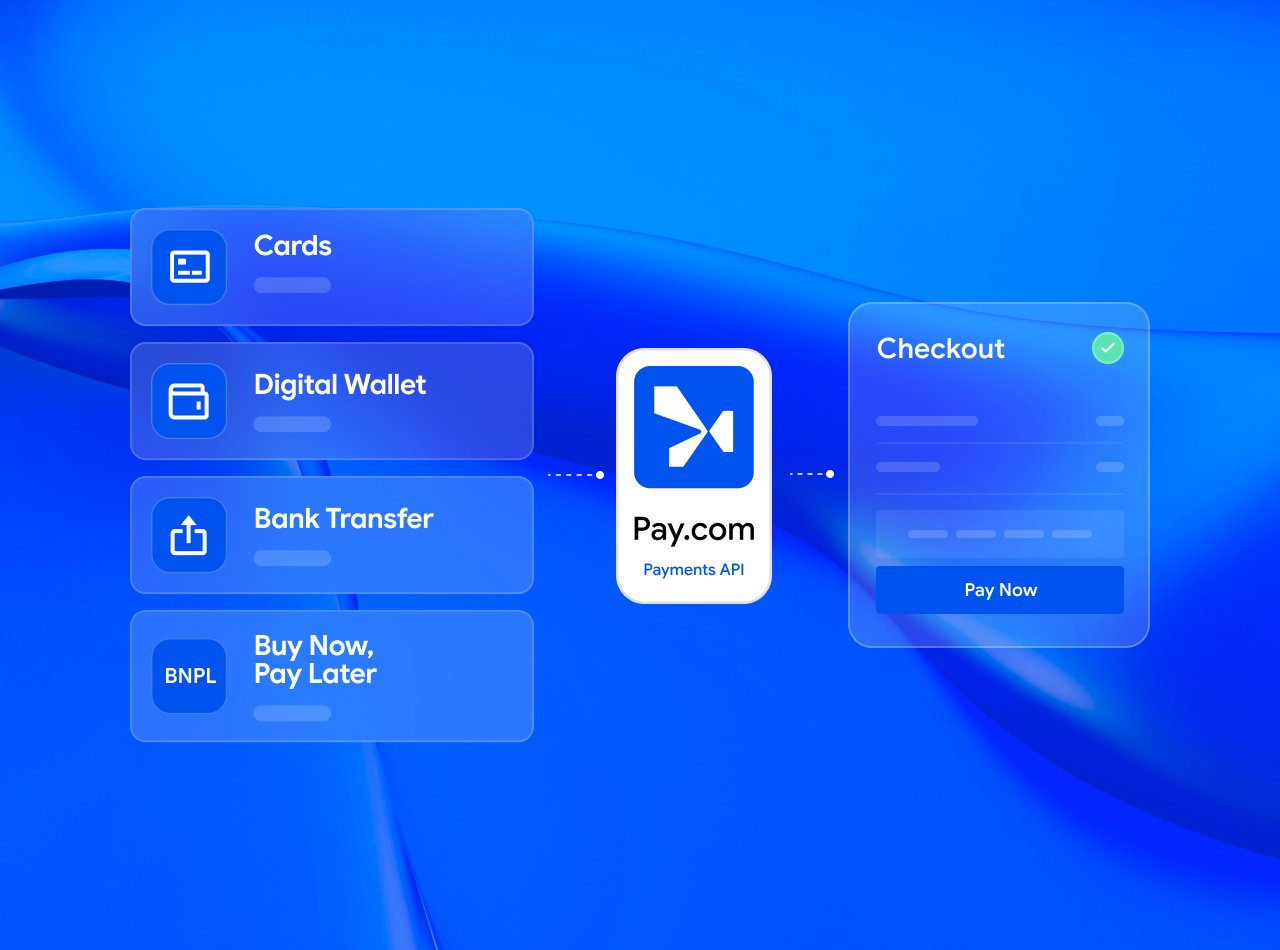
With Pay.com, you can offer your customers the convenience of paying however they want. You can easily accept a variety of payment methods, including credit and debit cards, ACH transfers, digital wallets, and many more.


Andrea Miller has been a writer and editor for more than two decades. Specializing in business and finance, she has written for some of the major websites in the financial sector. Outside of work, she spends most of her time with her family and enjoys hiking, yoga, and reading.
Read next
Get payments insights in your inbox